
Navigating the Challenges of Cooking for One Person Effectively
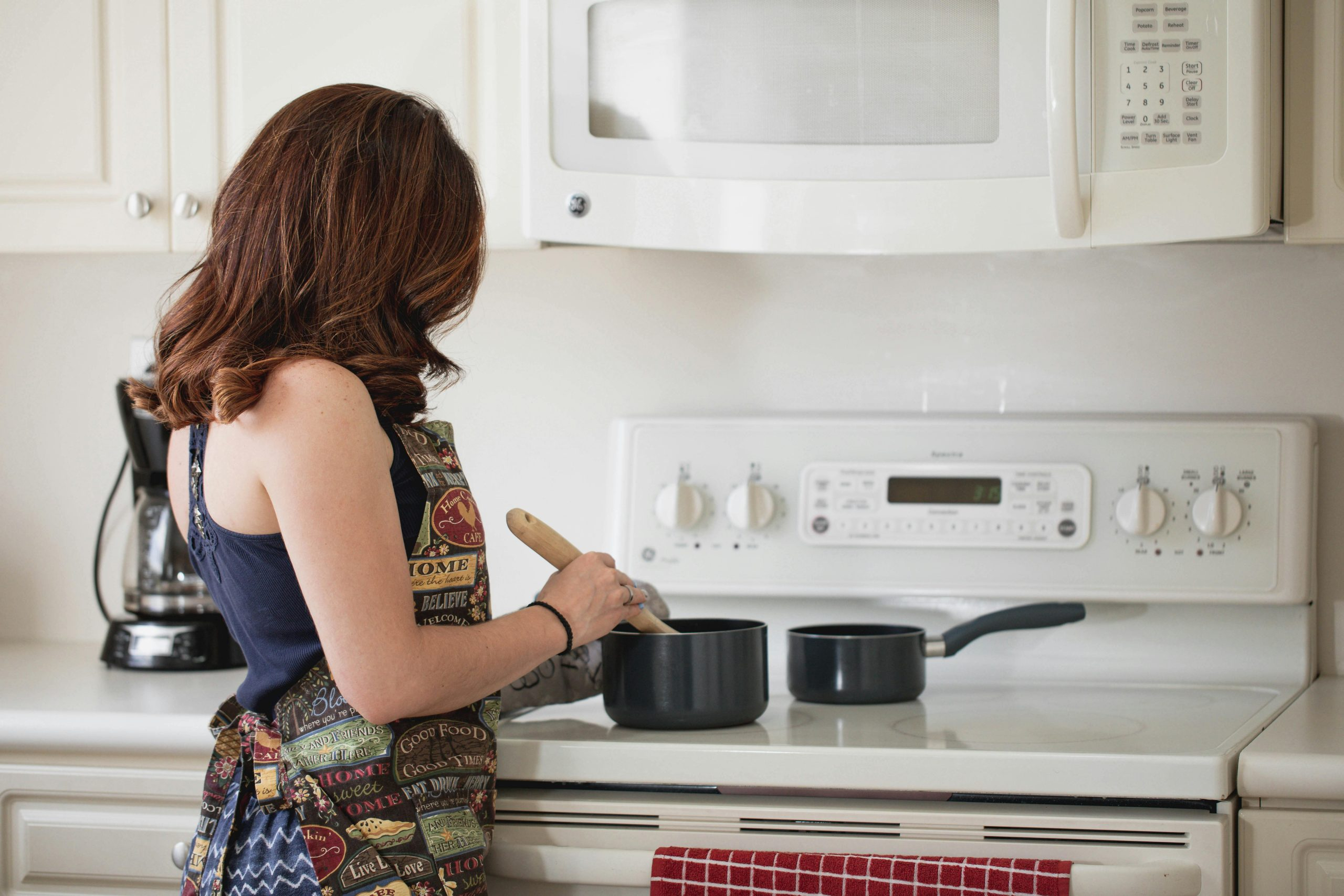
As a single individual, cooking for one person can often be a daunting task. Not only does it require extra planning and portioning, but it can also be challenging to find recipes that cater to a single serving. However, with the right tips and strategies, cooking for one person can be a simple and enjoyable experience. In this article, we will discuss how to navigate the challenges of cooking for one person effectively and provide some helpful tips to make the process easier.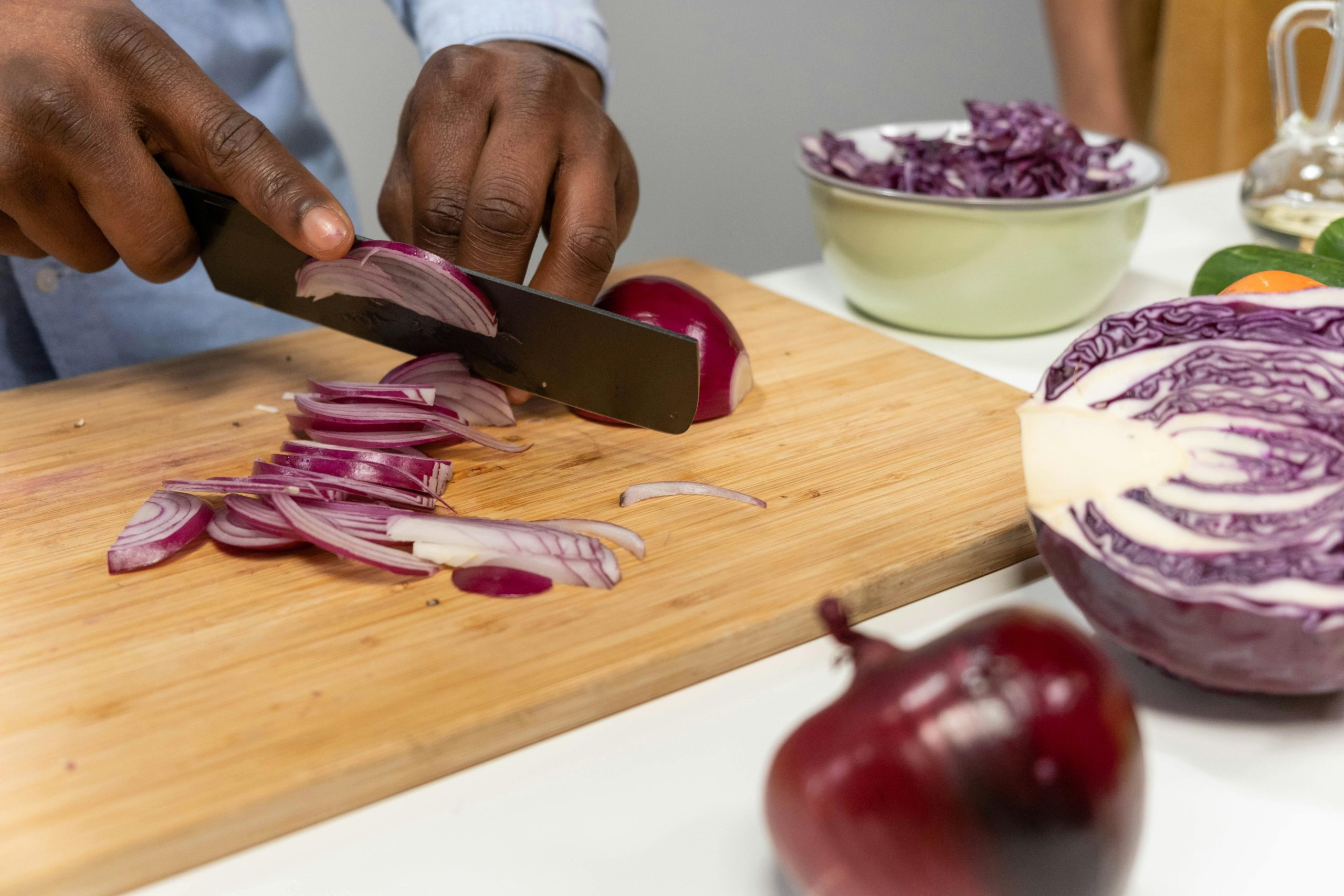
The Rise of Single-Person Households
Cooking for one person has become increasingly prevalent in recent years as the number of single-person households continues to rise. According to a report from the U.S. Census Bureau, more than half of all households in the United States are now occupied by just one person. This trend is expected to continue, with a projected increase to 60% by 2030.
This shift has been driven by various factors, including individuals living longer, an increase in divorce rates, and a rise in young adults delaying marriage and living independently. As a result, more people are finding themselves cooking for one person and facing the challenges that come with it.
The Challenges of Cooking for One Person
Wasting Food
One of the main challenges of cooking for one person is the fear of wasting food. Many recipes are designed for multiple servings, and it can be challenging to portion them down to a single serving without ending up with leftovers that go to waste. This can not only be frustrating but also costly.
To combat this challenge, it’s essential to plan your meals and grocery shopping carefully. Consider buying in bulk and freezing individual portions of meat or vegetables. You can also opt to purchase frozen fruits and vegetables, which are often cheaper and have a longer shelf life.
Lack of Variety
Cooking for one person can also lead to a lack of variety in meals. It’s easy to become stuck in a rut of making the same meals repeatedly, which can quickly become monotonous and unappetizing. This can be particularly frustrating for individuals who enjoy trying new and exciting dishes.
One way to combat this challenge is by investing in a good cookbook or browsing online for single-serving recipes. You can also get creative and modify recipes to suit your needs by dividing the ingredients accordingly. Not only will this add variety to your meals, but it will also test your cooking skills and expand your recipe repertoire.
Helpful Tips for Cooking for One Person
Plan Ahead
The key to effective cooking for one person is planning. It’s essential to have a clear idea of what meals you will be cooking for the week and what ingredients you will need. This will not only prevent you from overspending but also save you time and prevent food waste.
Make Use of Leftovers
Leftovers do not have to go to waste. You can repurpose them into new meals to add variety to your cooking. For example, leftover chicken can become an ingredient in a salad or sandwich, and leftover vegetables can be used in soups or stir-fries.
Invest in Quality Storage Containers
Having a good supply of storage containers is crucial when cooking for one person. This will allow you to portion out meals and freeze leftovers for future use. Opt for containers with individual compartments or those that can be easily divided to avoid mixing different foods together.
Get Creative with Your Ingredients
When cooking for one person, you may find yourself with limited ingredients. However, this can be an opportunity to get creative and try new flavor combinations. Don’t be afraid to experiment with different herbs, spices, and sauces to add flavor to your meals.
Conclusion
Cooking for one person may present its challenges, but it doesn’t have to be a daunting task. With proper planning, creativity, and a few helpful tips, you can navigate the hurdles of cooking for one person effectively. Not only will this save you time and money, but it will also allow you to enjoy delicious and varied meals that are tailored to your individual needs and preferences.