
Implementing Noise Reduction Techniques in Sensitive Circuits

Sensitive circuits are an essential component in many electronic devices, from smartphones to medical equipment. These circuits are designed to amplify and process small signals, making them vulnerable to external and internal interference. As a result, noise reduction techniques are crucial in ensuring the proper functioning of these circuits. In this article, we will explore the various noise reduction techniques that can be implemented in sensitive circuits to improve their overall performance and reliability.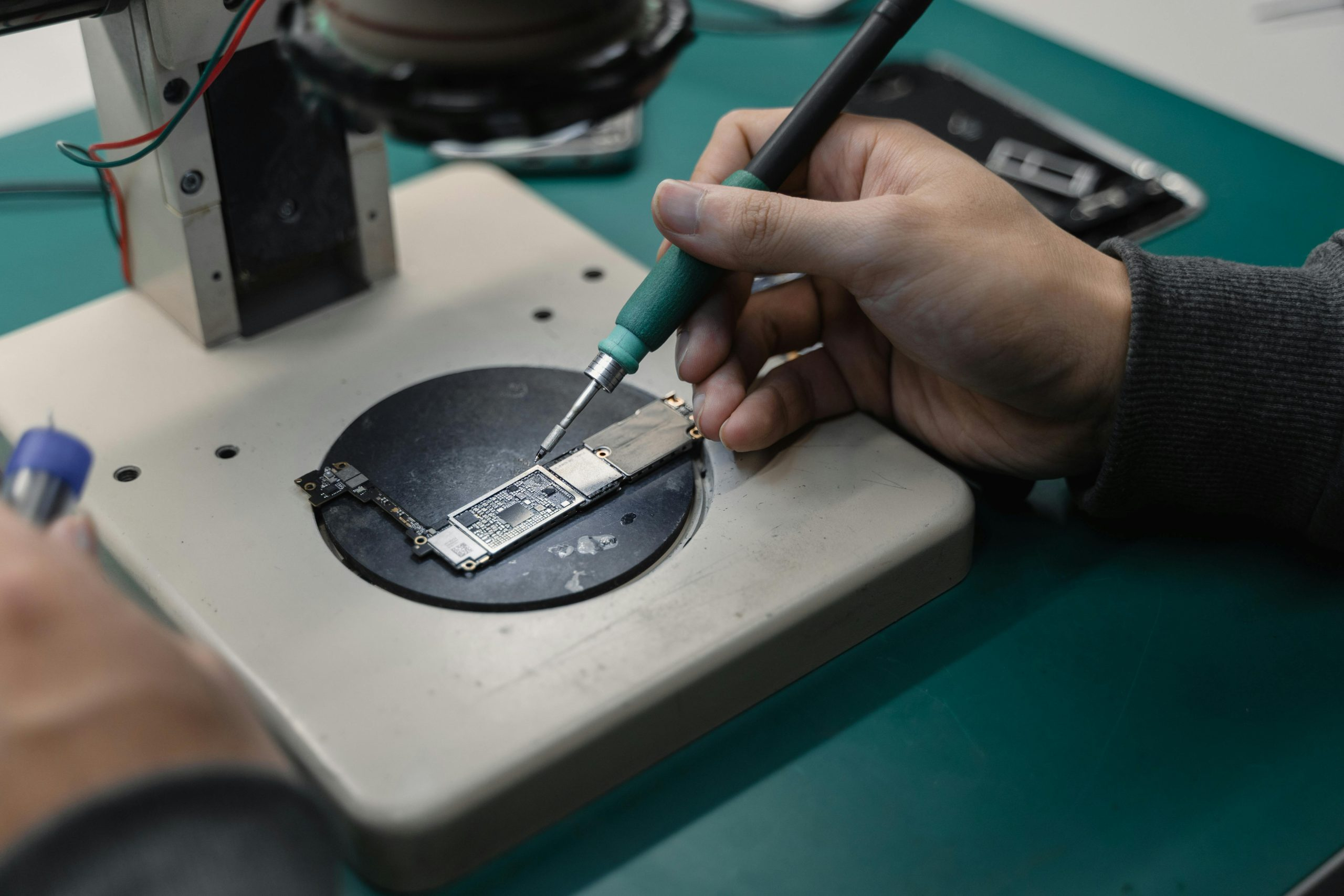
The Impact of Noise on Sensitive Circuits
Before we dive into the different noise reduction techniques, let’s first understand the impact of noise on sensitive circuits. Noise can be defined as any unwanted and random signal that interferes with the original signal in a circuit. This interference can lead to errors, distortion, and loss of data in the circuit.
In sensitive circuits, noise can arise from various sources, including electromagnetic interference (EMI), thermal noise, and power supply noise. EMI is caused by external sources such as nearby electronic devices, power lines, and even cosmic radiation. Thermal noise, also known as Johnson noise, is produced due to the random motion of charged particles in a conductor. Finally, power supply noise is generated from fluctuations in the power supply, causing fluctuations in the circuit’s operating voltage.
Commonly Used Noise Reduction Techniques
1. Shielding
One of the most effective ways to reduce EMI in sensitive circuits is by using shielding techniques. Shielding involves enclosing the circuit or sensitive components in a conductive material, such as a metallic box. The shield acts as a barrier, preventing external electromagnetic fields from reaching the sensitive circuit. Additionally, multiple layers of shielding can also be used for improved performance.
2. Grounding
Another effective noise reduction technique is grounding. Proper grounding is crucial in sensitive circuits as it provides a low impedance path to divert unwanted currents away from the circuit. This prevents the currents from interfering with the circuit’s signal. Grounding should be done correctly and consistently throughout the circuit to be effective.
3. Filtering
Filtering is a technique used to remove unwanted frequencies from a circuit. In sensitive circuits, filtering is done using various components such as capacitors, inductors, and resistors. These components are used to create low-pass, high-pass, or band-pass filters, depending on the frequency range of the noise. By blocking out unnecessary frequencies, the signal passing through the circuit remains clean and free from noise.
4. Layout and Component Placement
The physical placement of components in a circuit can also have a significant impact on the amount of noise produced. Components that are placed too close together can cause cross-talk, where the signals from one component interfere with the signals from another. Careful layout and proper spacing of components can help minimize this interference and reduce noise levels in the circuit.
5. Decoupling
Decoupling capacitors are used to reduce power supply noise in sensitive circuits. These capacitors are placed parallel to the power supply lines, providing a low impedance path for high-frequency noise to bypass the circuit. This helps to maintain a stable power supply for the circuit, reducing any fluctuations that could result in noise.
Conclusion
Implementing noise reduction techniques in sensitive circuits is crucial for maintaining circuit performance and reliability. By using techniques such as shielding, grounding, filtering, and proper layout and component placement, the amount of noise in a circuit can be significantly reduced. It is essential to carefully analyze the circuit’s specifications and select the appropriate noise reduction techniques to ensure optimal performance and functionality in sensitive circuits.
Remember, noise reduction should not be an afterthought when designing sensitive circuits. It should be integrated into the design process from the beginning to ensure the best results. With the increasing use of sensitive circuits in various applications, it is vital to implement noise reduction techniques to ensure their efficient and reliable operation.