
Exploring the Craftsmanship of Hand Embroidery and Surface Embellishment

Hand embroidery and surface embellishment have been a part of human history for centuries. The art of using a needle and thread to adorn fabrics and objects has been passed down from generation to generation, resulting in a rich tradition of craftsmanship. Today, hand embroidery and surface embellishment are not only considered decorative arts, but they also hold cultural significance and symbolize the history and identity of different cultures around the world. In this article, we will explore the craft of hand embroidery and surface embellishment and understand its importance in today’s modern world.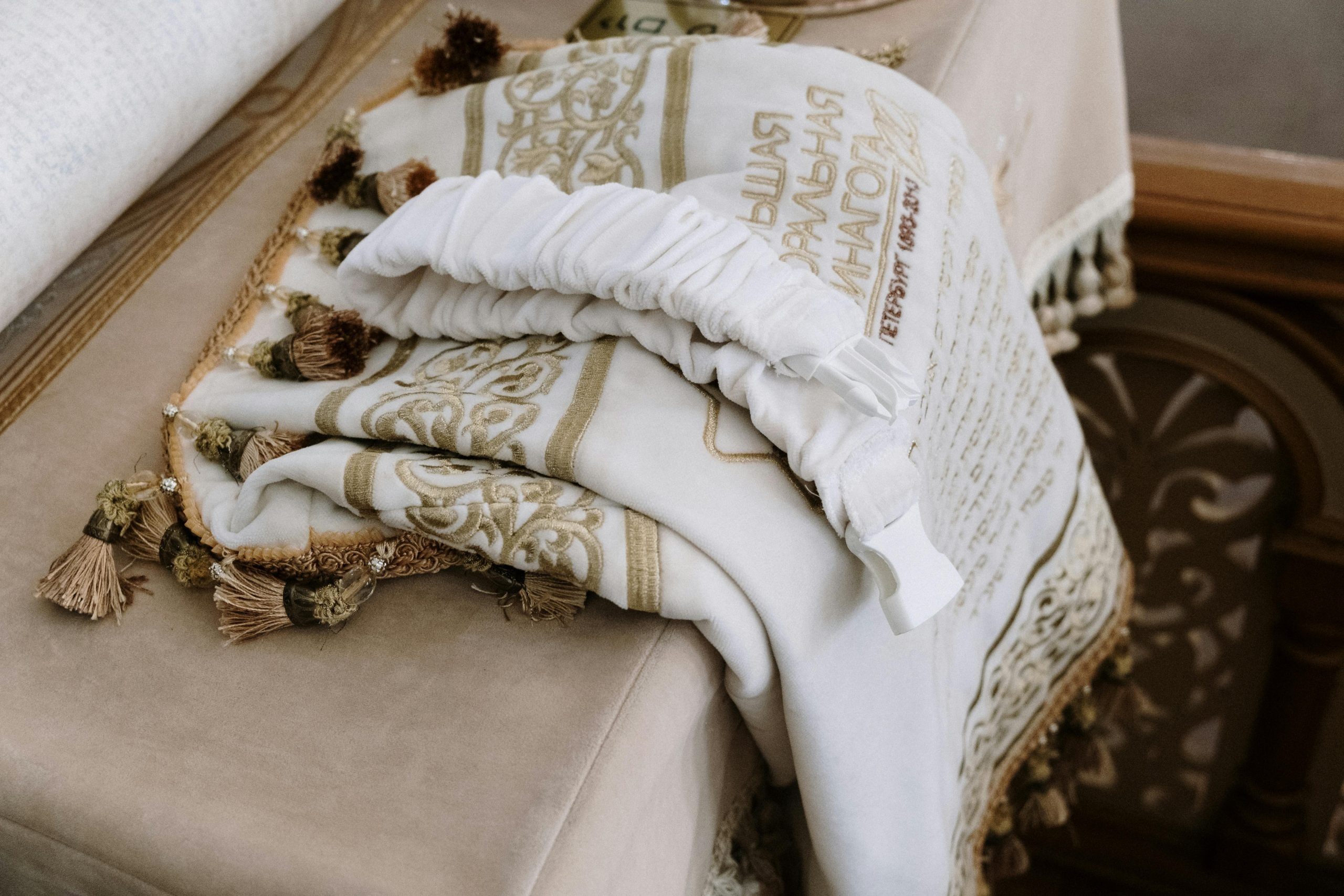
The Rise of Hand Embroidery and Surface Embellishment
The earliest evidence of hand embroidery can be traced back to the Iron Age. It was a popular form of decoration among the ancient civilizations of China, Egypt, and India. However, it wasn’t until the medieval period that hand embroidery truly flourished in Europe. The intricate and beautiful designs of embroidery caught the attention of the upper class, making it a symbol of wealth and social status.
With the introduction of industrialization, hand embroidery and surface embellishment saw a decline as it became more cost-effective to mass produce embroidered fabrics. However, the art form was kept alive by skilled artisans who continued to create exquisite pieces of work. Today, hand embroidery and surface embellishment have experienced a resurgence, thanks to the rise of sustainable and slow fashion movements.
The Craft of Hand Embroidery
The Materials
Hand embroidery is a form of decorative needlework that involves using a needle and thread to create designs on fabric. The materials used in hand embroidery vary depending on the type of stitch and design being created. Commonly used materials include specialized embroidery threads, needles, hoops, scissors, and different types of fabrics such as cotton, silk, or linen. Artisans also use various embellishments such as beads, sequins, and pearls to enhance the beauty of their work.
The Stitches
One of the most fascinating aspects of hand embroidery is the variety of stitches used to create intricate designs. Each stitch has its unique characteristics and is used for different purposes. Some common stitches include running stitch, stem stitch, chain stitch, satin stitch, and French knot. The beauty of hand embroidery lies not only in the design but also in the skillful execution of these stitches.
The Art of Surface Embellishment
Types of Surface Embellishment
Surface embellishment involves adding decorative elements to an already existing fabric. It is often used to enhance the appearance of a fabric or object and add a personal touch. Unlike hand embroidery, surface embellishment is not limited to just using a needle and thread. It can include a wide range of techniques such as appliqué, beading, quilting, and stumpwork.
The Techniques
A common technique used in surface embellishment is appliqué, which involves attaching a small piece of fabric to a larger piece to create a design. Beading is another popular technique used to add sparkle and texture to fabrics. Quilting, on the other hand, involves sewing together layers of fabric to create a padded design. Stumpwork is a three-dimensional surface embellishment technique that uses padding, wires, and stitches to create raised designs on fabric.
The Significance of Hand Embroidery and Surface Embellishment Today
In today’s fast-paced world, where mass production is the norm, hand embroidery and surface embellishment represent a shift towards slow, sustainable and ethical fashion. It is an art form that values skill, time, and creativity over mass production and profit. Hand embroidery and surface embellishment also celebrate cultural diversity and identity, as different regions and cultures have their unique styles and techniques.
Moreover, hand embroidery and surface embellishment hold a certain charm that cannot be replicated by machines. Each stitch, each bead, and each design is unique and carries the mark of the artisan who created it. These beautiful pieces of work not only adorn fabrics and objects but also tell a story and preserve the art and tradition of handcrafting.
In Conclusion
The craft of hand embroidery and surface embellishment has stood the test of time and continues to captivate us with its beauty and intricate designs. While it may have changed and evolved over the years, its significance and cultural value remain intact. In a world where machine-made products dominate the market, hand embroidery and surface embellishment are a reminder of the art and skill of the human hand, making it a timeless craft that deserves to be explored and celebrated.