Analyzing the Impact of Historical Events on Fashion Silhouettes

The fashion industry is constantly evolving, and one of the most influential factors in this evolution is historical events. From royal weddings to political revolutions, the world of fashion has been shaped by major historical moments. But one aspect that often gets overlooked is the impact of these events on fashion silhouettes. These changes in clothing shapes and styles reflect the shifting societal norms and cultural values of different time periods. In this article, we will take a closer look at how historical events have influenced fashion silhouettes and continue to do so in the modern age.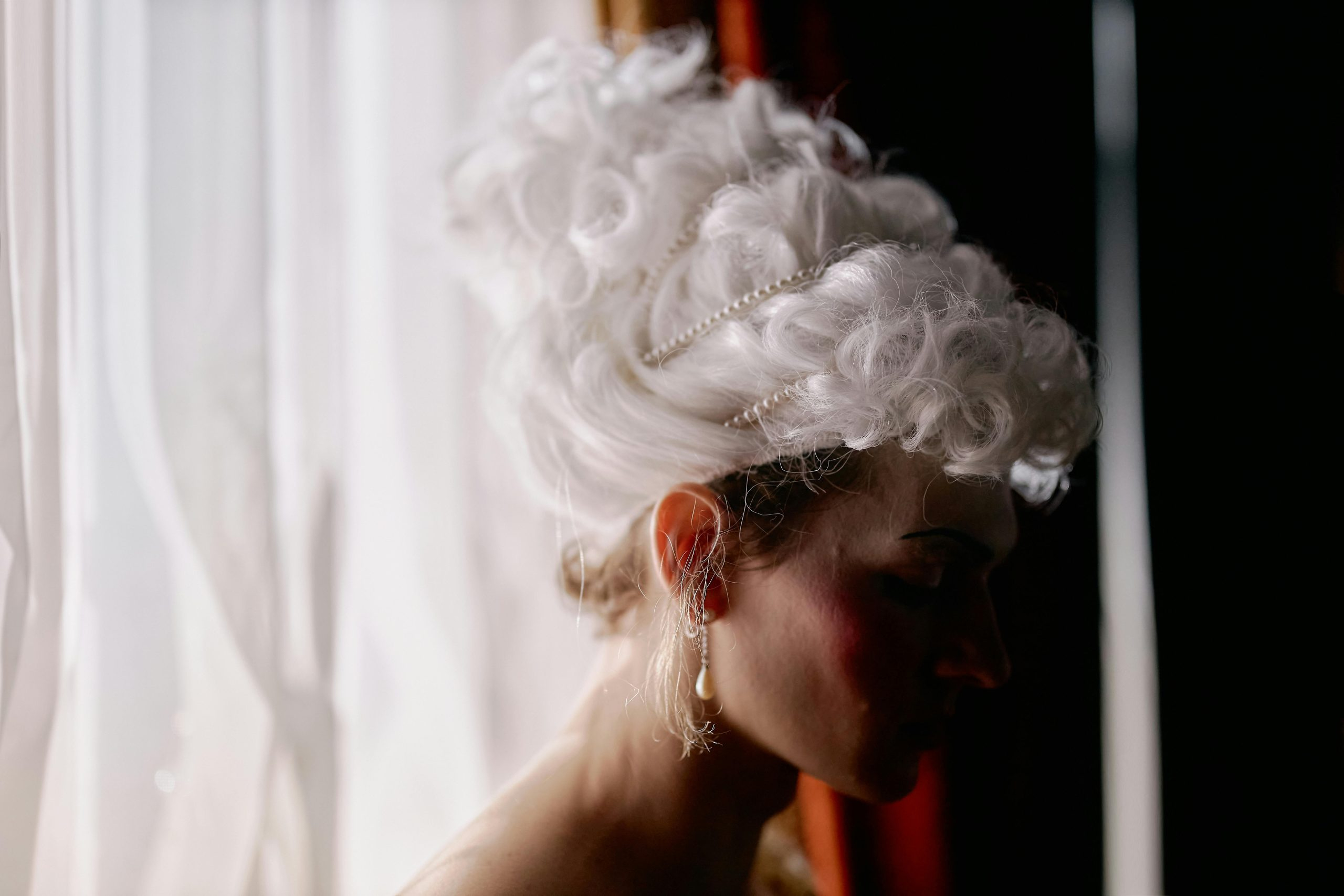
The Evolution of Fashion Silhouettes
Before we dive into the impact of historical events, it’s important to understand the evolution of fashion silhouettes. Throughout history, the ideal body shape and clothing styles have varied immensely. From the medieval period with its heavy layers and corsets to the free-flowing androgynous styles of the 1920s, fashion has always been a reflection of society’s attitudes towards beauty and gender roles.
The 18th and 19th Centuries: Royal Influence
During the 18th and 19th centuries, fashion was heavily influenced by royalty. The lavish lifestyles and opulent clothing of the aristocracy set the trends for the rest of society. For example, the voluminous skirts and exaggerated silhouettes popularized by Queen Victoria in the 1800s reflected the desire for wealth and status.
But it wasn’t just the royals who dictated fashion silhouettes. Major historical events such as the French Revolution also played a significant role. The revolution led to a shift towards simpler and utilitarian styles, with women opting for less extravagant clothing as a symbol of equality and rebellion against the monarchy.
The 1920s: Changing Social Norms
The 1920s was a decade of immense change, both socially and culturally. Women gained the right to vote, and the post-WWI era brought about a newfound sense of freedom and liberation. These changes were reflected in the fashion of the time, with women opting for shorter hemlines, loose-fitting dresses, and a more androgynous silhouette. This new style reflected the shifting societal norms and the desire for women to break free from traditional gender roles.
The Impact of World War II
World War II had a significant impact on fashion silhouettes, especially in Europe. With fabric shortages and rationing, women had to make do with simpler and more practical clothing. Skirts became shorter, and shoulders became broader as women took on more traditionally masculine roles in the workforce. Fashion became more utilitarian and focused on functionality rather than aesthetics.
The Modern Age: A Symbol of Progression
In the modern age, fashion silhouettes continue to be influenced by historical events. One of the most recent examples of this is the rise of gender-neutral fashion. With the increasing recognition and acceptance of the LGBTQ+ community, many designers are now creating clothing that blurs traditional gender lines. This is a clear reflection of the progress made in terms of societal attitudes towards gender and sexuality.
Another example is the recent #MeToo movement, which has brought about a reexamination of traditional power dynamics and gender roles. This has led to a shift towards more tailored and structured silhouettes, reflecting a desire for empowerment and equality.
In Conclusion
Fashion is not just about aesthetics; it is a reflection of society and its values. Historical events have played a pivotal role in shaping fashion silhouettes throughout history. From the extravagance of royalty to the utilitarianism of war, these events have left an indelible mark on the world of fashion. And in the modern age, fashion silhouettes continue to evolve and adapt, representing the progression and changing attitudes of society.