
Cultivating Creativity and Innovation in Elementary Classrooms
As educational practices continue to evolve, it is becoming increasingly evident that fostering creativity and innovation in elementary classrooms is crucial for the development of our future generations. With the rapid advancements in technology and the changing landscape of the global economy, it is essential for young minds to be equipped with skills such as critical thinking, problem-solving, and creativity. However, the traditional emphasis on rote learning and standardized testing often stifles the creativity of young learners. Therefore, it is imperative for educators to cultivate a culture of creativity and innovation in elementary classrooms to prepare students for a dynamic and ever-changing world.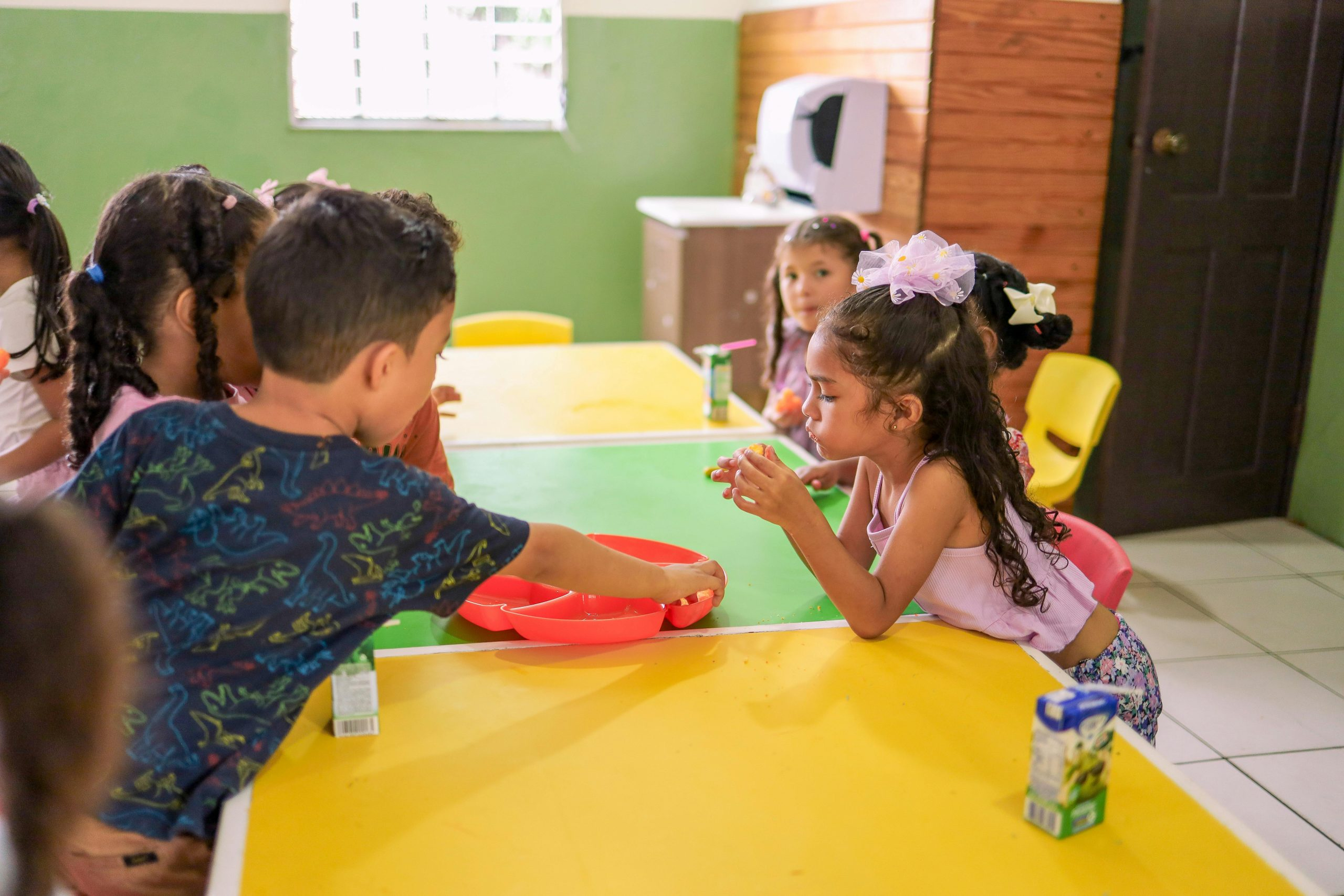
The Importance of Fostering Creativity and Innovation
The concept of creativity and innovation is not limited to the arts; it is an essential skill across all disciplines. It involves the ability to think outside the box, challenge existing ideas, and come up with new and innovative solutions. In today’s world, where automation is replacing routine jobs, individuals with creative thinking skills are highly sought after. Moreover, fostering creativity in elementary classrooms can enhance the overall learning experience, leading to higher engagement levels and improved academic performance.
Breaking Away from Traditional Teaching Methods
Encouraging a Growth Mindset
The first step in cultivating creativity and innovation in elementary classrooms is to shift the focus from getting the right answer to the process of learning itself. Instead of solely praising students for getting the correct answer, educators should encourage a growth mindset. This mindset fosters the belief that intelligence and abilities can be developed through effort and persistent learning. It allows students to take risks, explore new ideas, and learn from their mistakes without fear of failure.
Embracing Divergent Thinking
A key aspect of creativity is divergent thinking, which involves generating multiple solutions to a single problem. However, the traditional education system often emphasizes finding the one correct answer. To foster creativity in elementary classrooms, teachers can introduce activities that promote divergent thinking, such as brainstorming sessions and open-ended experiments.
Incorporating Technology
Advancements in technology have made it easier than ever to incorporate creative teaching methods in elementary classrooms. For example, using educational apps and online tools can provide an interactive and engaging learning experience for students. It also allows for personalized learning, catering to the individual needs and interests of students.
Creating a Creative Learning Environment
Flexible Learning Spaces
The physical layout of a classroom is crucial in promoting creativity and innovation. Traditional classrooms with rigid rows of desks can limit movement and collaboration among students. Instead, educators can design flexible learning spaces that allow for movement, group work, and individual workstations. This allows students to work in environments that best suit their learning style and encourages collaboration and interaction.
Encouraging Collaboration and Diverse Perspectives
Creativity thrives when individuals exchange ideas, build on each other’s thoughts and perspectives, and have meaningful discussions. Encouraging students to collaborate with their peers and share their ideas promotes a sense of community and exposes them to different perspectives, leading to more diverse and innovative solutions.
Introducing Project-Based Learning
Project-based learning is a student-centered approach that allows students to explore a real-world problem or question, answer it, and present their findings. This method of teaching enables students to apply their knowledge creatively and use critical thinking skills to solve problems. It provides a hands-on and collaborative learning experience that promotes creativity and innovation.
Conclusion
Cultivating creativity and innovation in elementary classrooms is crucial for the development of 21st-century skills in our students. It involves shifting the focus from traditional teaching methods to an approach that encourages critical thinking, problem-solving, and collaboration. By embracing diversity, implementing new technologies, and creating a creative learning environment, educators can foster a culture of innovation and prepare students for a dynamic and rapidly changing world.