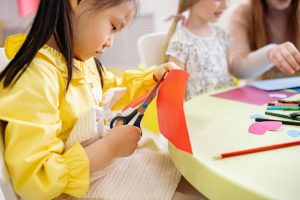
Understanding the Principles of Student-Centered Learning
Student-centered learning has been gaining popularity in the education system in recent years. This approach shifts the focus from teachers to students, making them active participants in their own learning process. Unlike traditional teaching methods, student-centered learning emphasizes personalized learning, critical thinking, and collaboration. By understanding the principles of student-centered learning, educators can create a more engaging and effective learning environment for students. In this article, we will explore the key principles of student-centered learning and how they can be implemented in classrooms.
The Role of the Teacher
In traditional teaching methods, the teacher takes on a role of an authority figure, and their main responsibility is to impart knowledge to students. However, in student-centered learning, the teacher’s role shifts to that of a facilitator or guide. They act as a support system for students, providing them with the necessary resources and guidance to explore their interests and build their skills. The teacher also plays a crucial role in creating a safe and inclusive learning environment, where students feel comfortable taking risks and sharing their thoughts and ideas.
Personalized Learning
One of the key principles of student-centered learning is personalization. Every student has their own unique way of learning, and by understanding their individual needs, teachers can craft a more effective learning experience. This means considering students’ interests, strengths, and preferred learning styles when designing lessons and activities. Personalized learning also allows students to take ownership of their learning, as they have a say in what and how they want to learn.
Self-Directed Learning
Student-centered learning encourages students to become self-directed learners. This means taking responsibility for their own learning by setting goals, managing their time effectively, and monitoring their progress. Self-directed learning helps students develop crucial skills such as problem-solving, critical thinking, and time management, which are essential for success in the real world. The role of the teacher here is to facilitate this process by providing students with the necessary tools and support.
Collaboration
Collaboration is another essential aspect of student-centered learning. It allows students to work together, share their knowledge and skills, and learn from each other. By working in groups, students can develop social and interpersonal skills, as well as learn from different perspectives. The teacher can foster collaboration by designing group activities and projects that require students to work together towards a common goal.
Assessment
In a student-centered learning environment, assessment is not limited to traditional tests and exams. Instead, it focuses on evaluating students’ learning and progress through various methods that align with the principles of student-centered learning. This may include self-reflection, peer evaluation, and project-based assessments. These forms of assessment encourage students to demonstrate their understanding in a more authentic and meaningful way.
Benefits of Student-Centered Learning
Implementing student-centered learning in classrooms has numerous benefits for both students and teachers. It creates a more engaging and motivating learning environment, where students take an active role in their learning. Student-centered learning also promotes independent and critical thinking, which prepares students for their future careers. Additionally, teachers who adopt this approach often report increased job satisfaction, as they see their students’ growth and development firsthand.
In Conclusion
In conclusion, understanding the principles of student-centered learning is crucial for creating an effective learning environment for students. By shifting the focus from the teacher to the student, educators can help students become independent, critical thinkers, and active learners. By incorporating personalization, collaboration, and self-directed learning, teachers can create a classroom where students are engaged, motivated, and prepared for the real world.