
Innovations in Haptic Feedback for Immersive User Experience
Haptic feedback, also known as tactile feedback, is a technology that provides a sense of touch or force to users through a physical interface. With the rise of virtual and augmented reality, haptic feedback has become an essential component in creating immersive user experiences. From simple vibrations to complex haptic patterns, the advancements in this technology have revolutionized the way we interact with digital media. In this article, we will explore the latest innovations in haptic feedback for immersive user experience.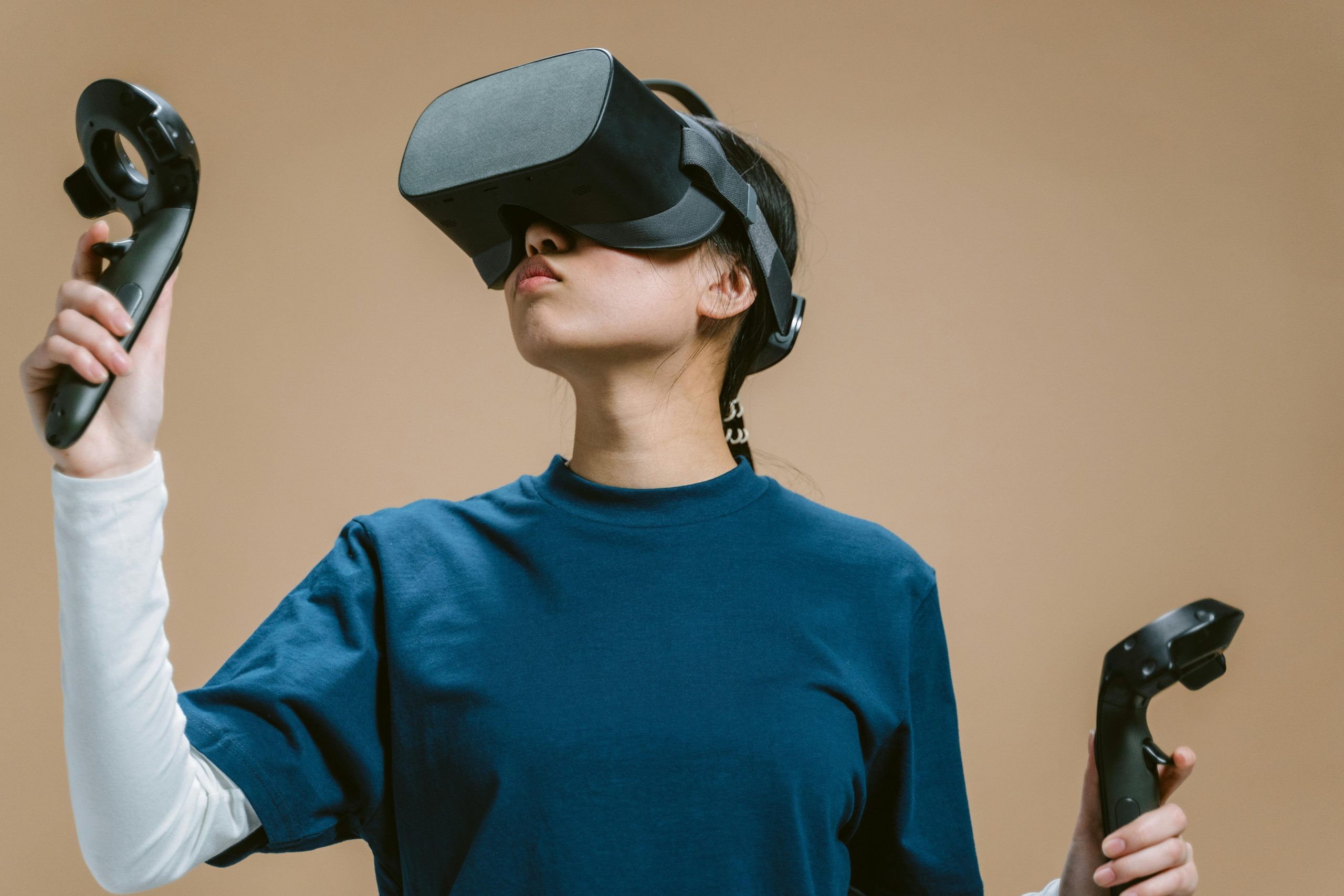
The Evolution of Haptic Feedback
The concept of haptic feedback can be traced back to the 1950s when mechanical devices were used to create vibrations and simulate touch. However, it wasn’t until the 1990s that haptic feedback became widely used in consumer electronics, mainly in video game controllers. As technology advanced, so did haptic feedback, with the emergence of more sophisticated actuators and sensors, making it possible to create more realistic sensations. Today, haptic feedback is not only limited to gaming but has found its way into various industries, including healthcare, automotive, and even fashion.
Haptic Feedback for Immersive User Experience
The ultimate goal of haptic feedback is to create a sense of presence, where users feel like they are in a different, virtual environment. It adds a new dimension to our digital experiences by providing tactile information that enhances the visual and auditory elements. This integration of haptic feedback creates a truly immersive user experience, making us feel like we are a part of the virtual world.
Advanced Haptic Actuators
The advancement in haptic actuators has been a gamechanger in creating more sophisticated haptic feedback. Traditional vibration motors have been replaced with linear actuators that can create precise and dynamic sensations. These actuators can simulate textures, shapes, and even temperature, adding a new level of realism to the virtual world.
Haptic Feedback in AR/VR
The use of haptic feedback in augmented and virtual reality (AR/VR) has been groundbreaking. By incorporating haptic technology into AR/VR headsets and controllers, users can feel the virtual environment and interact with it physically. This technology has been utilized in gaming, medical training, and even military simulations for enhanced training experiences.
Haptic Feedback in Wearables
Wearable technology, such as smartwatches and fitness trackers, have also integrated haptic feedback to provide users with notifications and alerts. More advanced wearables, such as haptic vests, can provide precise and localized feedback, enhancing the user’s sense of immersion during activities such as gaming or sports.
The Future of Haptic Feedback
The evolution of haptic feedback is far from over. With the continuous advancements in technology, we can expect to see even more innovations in the future. Some exciting research and development projects are already underway, such as haptic holograms, which will enable users to feel and interact with virtual objects in 3D space without the need for any physical interface. Additionally, there is ongoing research on using haptic feedback for people with disabilities, allowing them to experience digital content in a more inclusive way.
The Importance of Google SEO in Content Writing
As haptic feedback continues to shape our digital experiences, it is essential to keep your content optimized for search engines. Google SEO (Search Engine Optimization) helps your website or content rank higher in search engine results, making it more visible to potential readers. This involves using relevant keywords, structuring your content effectively, and building backlinks. By implementing Google SEO techniques, your content can reach a broader audience and provide valuable information to those interested in the topic.
Conclusion
Innovations in haptic feedback have come a long way and have greatly enhanced user experience in various industries. As technology continues to evolve, so will haptic feedback, creating a more realistic and immersive digital world for all of us. Whether it’s through VR headsets, wearables, or even holograms, haptic technology will continue to play a vital role in our digital interactions. With proper implementation of Google SEO, we can ensure that our content about these innovations reaches a wider audience and stays relevant in the ever-changing digital landscape.