
Building a Curated Collection: The Job of a Museum Costume Curator
Have you ever been to a museum and marveled at the costumes on display? From elegant ball gowns to authentic ancient robes, these pieces are a testament to the rich and diverse history of human fashion. But have you ever wondered how these costumes are carefully selected and preserved? That’s where a museum costume curator comes in. Their job is not just about collecting pretty dresses and suits, but also about curating a meaningful and insightful glimpse into the past. Let’s take a closer look at the role of a museum costume curator and how they build a curated collection.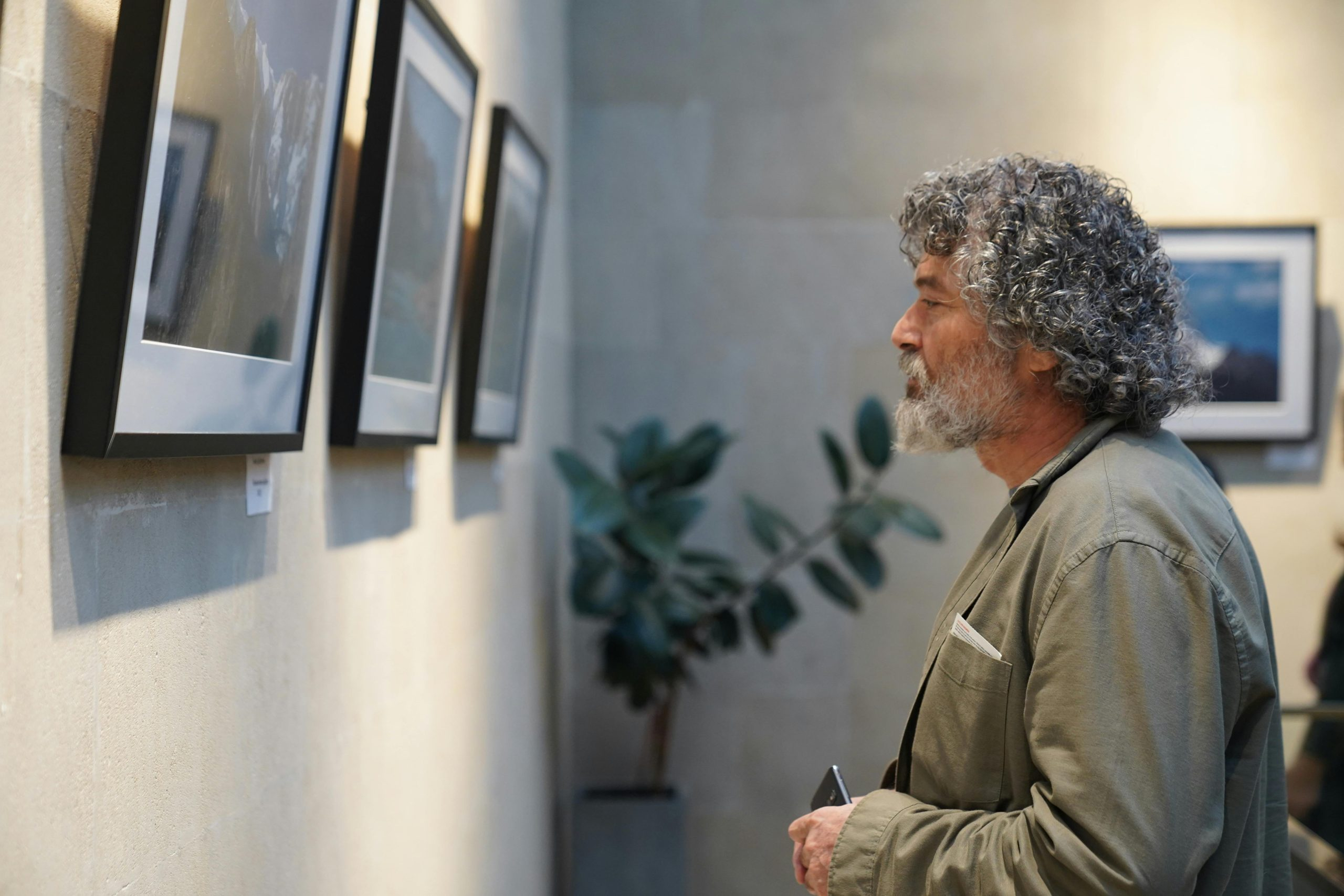
The Role of a Museum Costume Curator
A museum costume curator is a highly specialized and often overlooked profession in the world of museums. Their main responsibility is to oversee the costume collection of a museum, which may include historical garments, accessories, and even textiles. But their job is not limited to simply displaying these items; it involves a variety of tasks that require a combination of artistic, historical, and technical skills.
Research and Documentation
The first step in building a curated collection as a museum costume curator is extensive research. This involves studying the historical significance of each costume and understanding its cultural context. It’s essential to have a deep understanding of different fabrics, construction techniques, and even the social status associated with certain garments in a particular time period.
Furthermore, once a curator has gathered all the necessary information, they must document it carefully. This helps in creating an accurate and detailed record of each piece in the collection, which can be used for future exhibitions and reference purposes.
Conservation and Preservation
Costumes are delicate and often require special care in order to preserve their quality. A museum costume curator must have a strong knowledge of conservation techniques to ensure the longevity of the pieces in their collection. This includes proper storage, handling, and display methods that minimize damage caused by environmental factors such as light, humidity, and pests.
In addition to physical conservation, a curator must also be aware of any potential hazards that may arise from the use of certain materials in the costumes. For example, some fabrics may contain harmful dyes or chemicals that could pose a risk to both the costumes and those handling them. A curator must be able to identify these hazards and take necessary precautions to protect the collection.
Curation and Exhibition
The final step in a museum costume curator’s job is to curate the collection for exhibition. This is where their creative skills come into play. A curator must carefully select and arrange the costumes to tell a visual story that reflects their historical and cultural significance. This not only requires a keen eye for design but also a thorough understanding of the museum’s target audience and mission.
Curators must also keep in mind the preservation of the costumes while designing an exhibition. They must ensure that the display methods and lighting used will not cause any damage to the pieces. Additionally, they must provide informative and educational content for viewers to enhance their understanding and appreciation of the costumes on display.
Conclusion
The job of a museum costume curator goes far beyond just choosing pretty dresses and suits. It’s a multi-dimensional role that requires a deep understanding of history, art, and preservation techniques. Costumes are not just mere pieces of clothing; they are a reflection of our culture, society, and identity. A museum costume curator plays a crucial role in preserving these important pieces of our past and presenting them to the world in a meaningful and insightful way.
So, the next time you visit a costume exhibition at a museum, take a moment to appreciate the intricate work and dedication that goes into building a curated collection.