Mastering the Techniques of Fashion Photography Lighting and Composition
Fashion photography is an art form that has captured the imagination of people all over the world. It combines fashion, beauty, and art to create stunning images that inspire and evoke emotion. However, creating these images requires more than just a good model and a fancy camera. The techniques of fashion photography lighting and composition play a crucial role in capturing the perfect shot. In this article, we will delve deeper into the world of fashion photography and explore the techniques that will help you master the art of lighting and composition.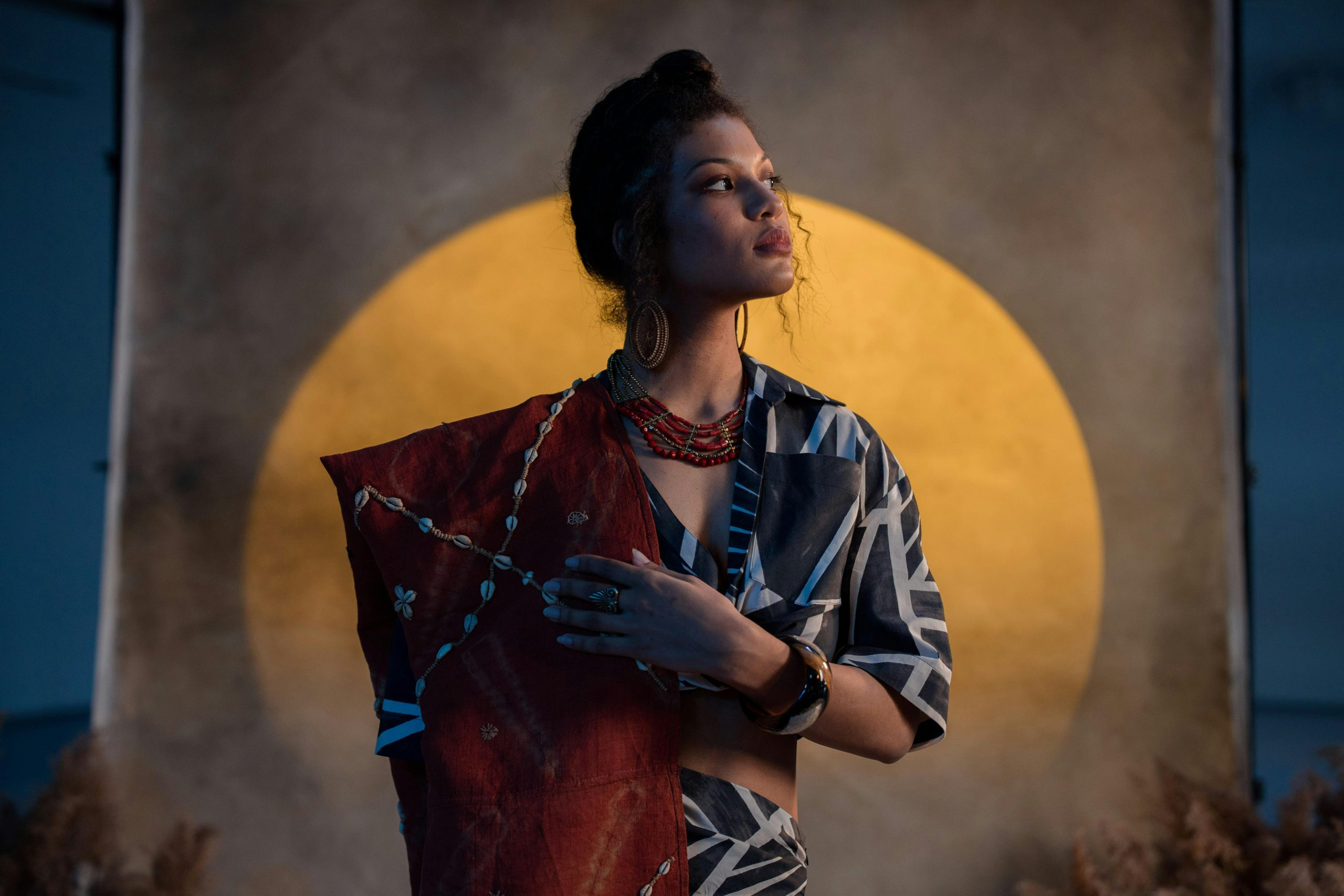
The Importance of Lighting in Fashion Photography
Lighting is one of the key elements in fashion photography. It not only provides the necessary illumination for the image but also sets the mood and tone of the photograph. In fashion photography, lighting is used to enhance the features of the model, highlight the clothing and accessories, and create a certain atmosphere. Therefore, having a good understanding of lighting techniques is essential for any fashion photographer who wants to capture stunning and impactful images.
Natural Light vs. Artificial Light
The first decision a fashion photographer needs to make when planning a shoot is whether to use natural or artificial light. Natural light provides a soft and flattering look, especially during golden hour (the hour after sunrise or before sunset), making it perfect for outdoor shoots. However, it can be unpredictable and limited in terms of time and location. On the other hand, artificial light gives the photographer more control and flexibility in terms of time and location, but it can be harsh and unflattering if not used correctly.
Types of Lighting Setups
There are various lighting setups that a fashion photographer can use depending on the desired effect. The most common setups are the three-point lighting and the clamshell lighting setup. The three-point lighting setup consists of a key light, a fill light, and a backlight, each serving a specific purpose. The key light is the main light source and is usually placed on one side of the model to create shadows and depth. The fill light is placed on the opposite side to fill in the shadows and reduce harsh shadows. The backlight is placed behind the model to create separation from the background and add dimension to the image. On the other hand, the clamshell lighting setup involves using two softbox lights, one on top of the model and one below, to create a soft and even light on the model’s face.
The Art of Composition in Fashion Photography
While lighting sets the mood and tone of the photograph, the composition is what brings all the elements together to create a visually pleasing image. The composition in fashion photography refers to how the elements of the photograph are arranged, including the models, clothing, props, and background. It is all about creating balance and harmony in the image to make it visually appealing.
The Rule of Thirds
The rule of thirds is a fundamental principle of composition in photography. It involves dividing the image into three equal parts horizontally and vertically, creating a grid of nine parts. The main elements of the photograph should be placed along the lines or at the points of intersection to create balance and add interest to the image.
Leading Lines and Framing
Leading lines and framing are other composition techniques that can be used to guide the viewer’s eye and add depth to the image. Leading lines are lines within the image that lead the viewer’s eye to the main subject, while framing involves using elements within the image to create a frame for the subject. Both techniques help to create a stronger visual impact and draw the viewer’s attention to the main subject.
The Importance of Negative Space
Negative space refers to the empty space in the image around the subject. Many photographers tend to fill the frame with the subject, but negative space can actually add more impact to the image. It allows the subject to stand out and gives the viewer’s eye a place to rest, creating a more balanced and interesting composition.
Practice Makes Perfect
Mastering the techniques of fashion photography lighting and composition takes time and practice. It requires a keen eye for detail, creativity, and a willingness to experiment and try new things. Take the time to study your favorite fashion photographs, pay attention to the lighting and composition, and use them as inspiration for your own shoots. With continuous practice and experimentation, you will hone your skills and develop your own unique style that sets you apart as a fashion photographer.
In conclusion, the techniques of fashion photography lighting and composition are crucial for capturing stunning and impactful images. Understanding the different lighting setups and composition techniques will not only help you create beautiful images but also allow you to tell a story through your photographs. With the right techniques and a lot of practice, you can master the art of fashion photography and create images that leave a lasting impression.