
The Evolution of Shoe Design: Comfort, Technology, and High Heels
The fashion industry is constantly evolving, with trends coming and going at the blink of an eye. One trend that has stood the test of time is women’s shoes. From the humble beginnings of simple leather sandals, to the current obsession with designer stilettos, the evolution of shoe design has been nothing short of extraordinary. In this article, we will take a closer look at the three key components that have driven the evolution of shoe design – comfort, technology, and high heels.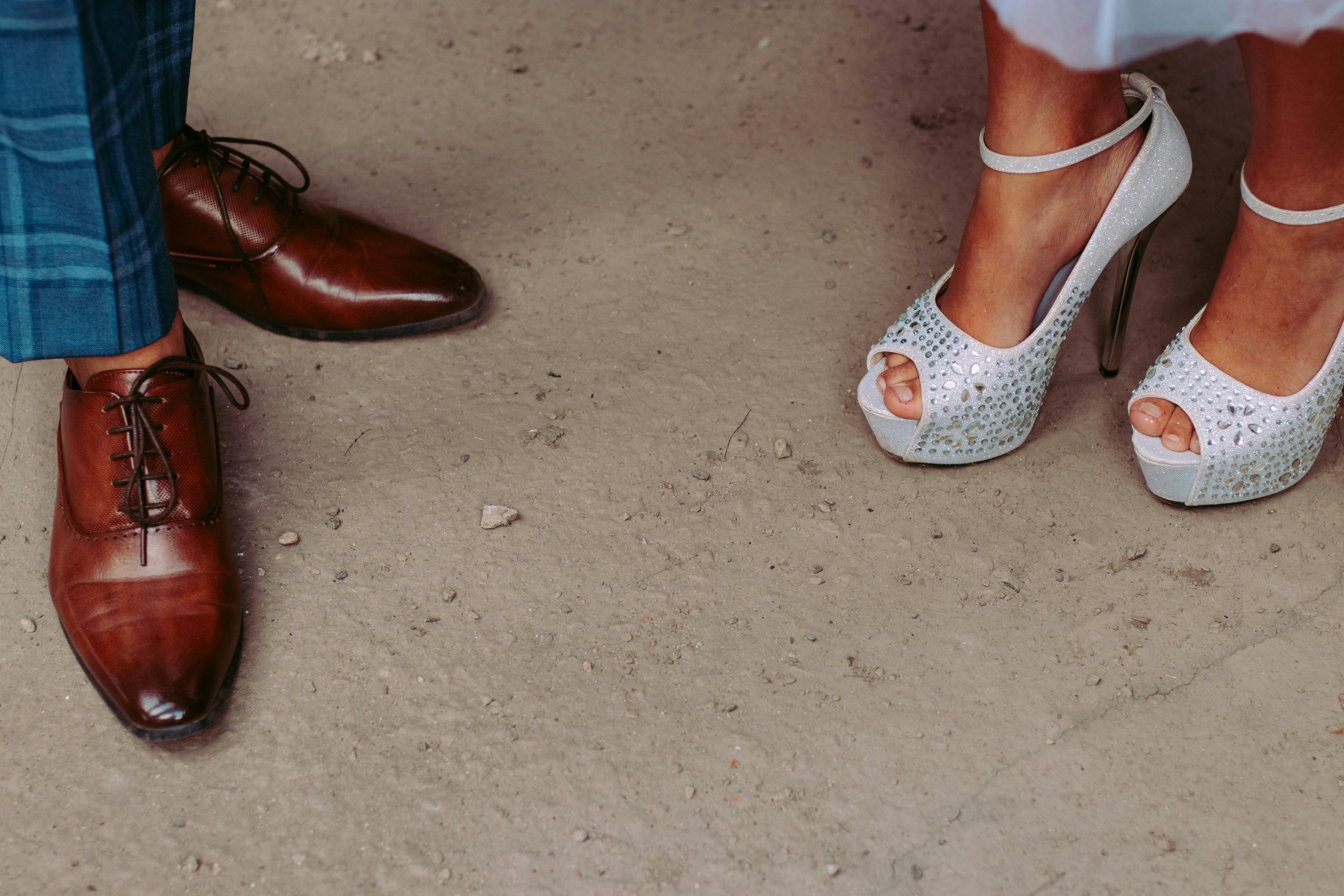
Comfort – The Foundation of Shoe Design
In ancient times, shoes were primarily designed for protection and function rather than for comfort. Yet, as civilization progressed, so did the need for more comfortable footwear. In the 18th century, shoemakers began to introduce features such as insoles and arch support to improve the comfort of shoes. However, it wasn’t until the 20th century when advancements in technology and materials allowed for the development of truly comfortable shoes.
The Role of Technology in Creating Comfortable Shoes
Technology has played a significant role in revolutionizing the comfort of shoes. In the 1960s, NASA developed a material called memory foam – a highly cushioned material that molds to the shape of the foot, providing unparalleled comfort. This material has since been used in a variety of shoe designs, allowing for increased comfort and support, especially in athletic shoes.
Another technological advancement in shoe design is the use of 3D printing. This process enables shoe manufacturers to create custom-fit shoes by scanning the customer’s feet and producing a shoe that perfectly fits their individual foot shape. This technology has been a game-changer in the world of comfortable shoes, as it eliminates the need for generic shoe sizes and ensures a comfortable fit for all.
The Influence of High Heels
High heels have been a symbol of femininity and sophistication for centuries. However, the history of high heels is marred with controversy. Originally designed for men, high heels became a staple in women’s fashion in the 17th century, and the obsession with height has only grown since then.
The Evolution of High Heels
The early versions of high heels were far from comfortable, with narrow and pointed toes, and steep inclines. Yet, women continued to wear them, often sacrificing comfort for the sake of fashion. In the 20th century, designers began to experiment with different heel heights and shapes, creating a range of styles to suit different preferences and occasions.
Today, high heels come in a variety of designs, from classic pumps to chunky platform heels. However, many argue that the pressure to wear high heels for aesthetic reasons has led to a rise in foot and back problems. In response, some fashion brands have started to prioritize comfort in their high heel designs, utilizing technology and ergonomic design to create more comfortable options.
The Impact of Technology on Shoe Design
Technology has not only improved the comfort of shoes, but it has also had a significant impact on the overall design and aesthetics. With the advent of computer-aided design (CAD) software, shoe designers can now create intricate and complex designs with ease. This has allowed for a greater level of customization and personalization in shoe design, making them not only comfortable but also fashionable.
The Rise of Sustainable Shoe Design
The fashion industry as a whole has been criticized for its impact on the environment, and shoe design is no exception. However, technology has provided a solution to this problem, with the rise of sustainable shoe design. Recycled materials, such as plastic bottles and rubber, are being used to create eco-friendly shoes that not only reduce waste but also contribute to a more comfortable and sustainable future.
In conclusion, the evolution of shoe design has been shaped by the constant pursuit of comfort, the influence of high heels, and the advancements in technology. As we continue to push the boundaries of what is possible, we can expect to see even more innovation in the world of shoe design, creating not only beautiful but also comfortable and sustainable options for all.