
The Significance of Jewelry Design: Adornment, Symbolism, and Status
In today’s society, jewelry has become more than just a decorative accessory. It holds a significant meaning behind its design and wearing it carries a deeper meaning beyond just adornment. Jewelry design has evolved throughout history, influenced by cultural, social, and economic factors. In this article, we will dive into the significance of jewelry design, exploring its roles in adornment, symbolism, and status.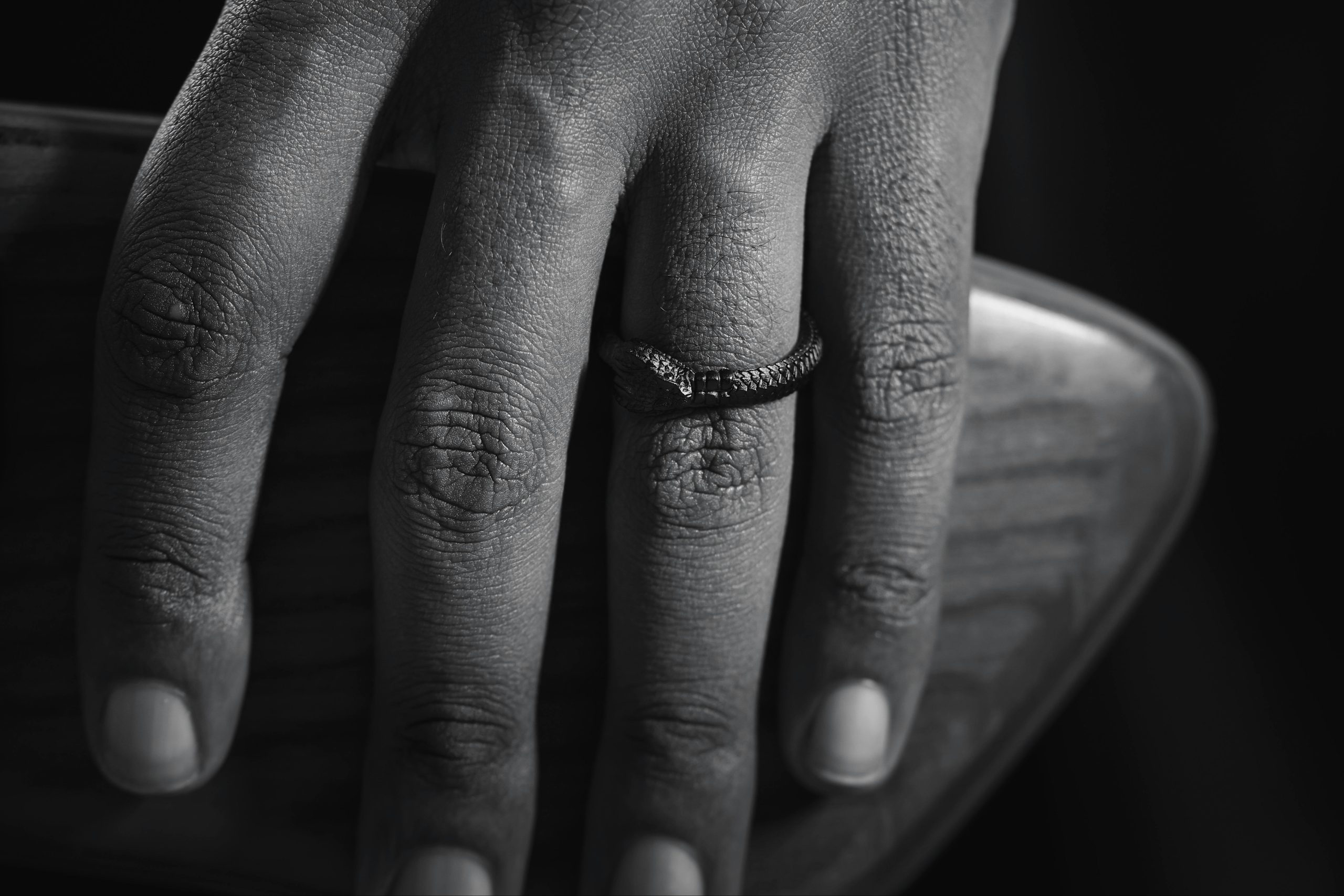
The Role of Adornment in Jewelry Design
Adornment has long been a crucial aspect of jewelry design. The belief that beauty enhances the person wearing it dates back to ancient civilizations. In fact, archeologists have discovered evidence of jewelry dating back to prehistoric civilizations, where humans adorned themselves with natural materials like shells, bones, and stones.
As time went by, the materials used in jewelry evolved, and so did the designs. During the Renaissance period, jewelry was a symbol of wealth and status, with precious gems and metals reserved for the wealthy elite. However, in today’s society, jewelry is more accessible, with a varying price range to suit different people’s preferences and budgets.
The act of adorning oneself has become a way of expressing one’s individuality and style. Whether it’s a dainty necklace or a bold statement ring, jewelry has the power to transform an outfit and make a statement.
The Symbolism in Jewelry Design
Beyond adornment, jewelry design carries a significant symbolism. Different cultures and societies have different meanings attached to certain types of jewelry. For example, in many Eastern cultures, gold jewelry symbolizes wealth and prosperity, while in Western cultures, engagement rings symbolize a commitment to marriage.
Religious symbolism is also widespread in jewelry design. For instance, the cross is a symbol of Christianity, and wearing a cross necklace is an expression of faith. In Hinduism, certain gemstones are believed to have healing and protective powers, making them a staple in many jewelry pieces.
Moreover, jewelry is often used to commemorate special events or milestones, such as weddings, graduations, or birthdays. In these cases, the symbolism of the jewelry holds a more personal meaning to the wearer, making it a sentimental piece.
The Role of Status in Jewelry Design
Jewelry has long been associated with status and power. In ancient civilizations, rulers and elites would adorn themselves with extravagant and opulent jewelry to showcase their wealth and social standing. This practice continues to this day, with celebrities and public figures often seen wearing extravagant, high-end jewelry.
In some societies, jewelry is also used as a form of currency, where the value of the jewelry is not only in its design or materials but also in its social status. This can be seen in traditional weddings, where the bride’s family may gift her with gold jewelry as a symbol of their wealth and status.
On the other hand, jewelry can also serve as a symbol of rebellion and non-conformity. In the ’60s and ’70s, the youth culture embraced bold and unconventional jewelry designs as a way to challenge traditional societal norms.
In Conclusion
The significance of jewelry design goes far beyond just its aesthetic appeal. It plays a crucial role in adornment, symbolism, and status, making it more than just a decorative accessory. The next time you put on your favorite piece of jewelry, take a moment to appreciate the deeper meaning behind it, and how it has evolved throughout history to become a significant aspect of human culture and expression.