
How to Choose the Right Food Storage Containers for Longevity
Keeping your food fresh and safe for consumption is essential for any household. With food storage containers being a staple in every kitchen, it’s important to choose the right ones that can help prolong the longevity of your food. But with so many options available in the market, it can be overwhelming to know which ones to invest in. With that in mind, we’ve put together a guide on how to choose the right food storage containers for longevity.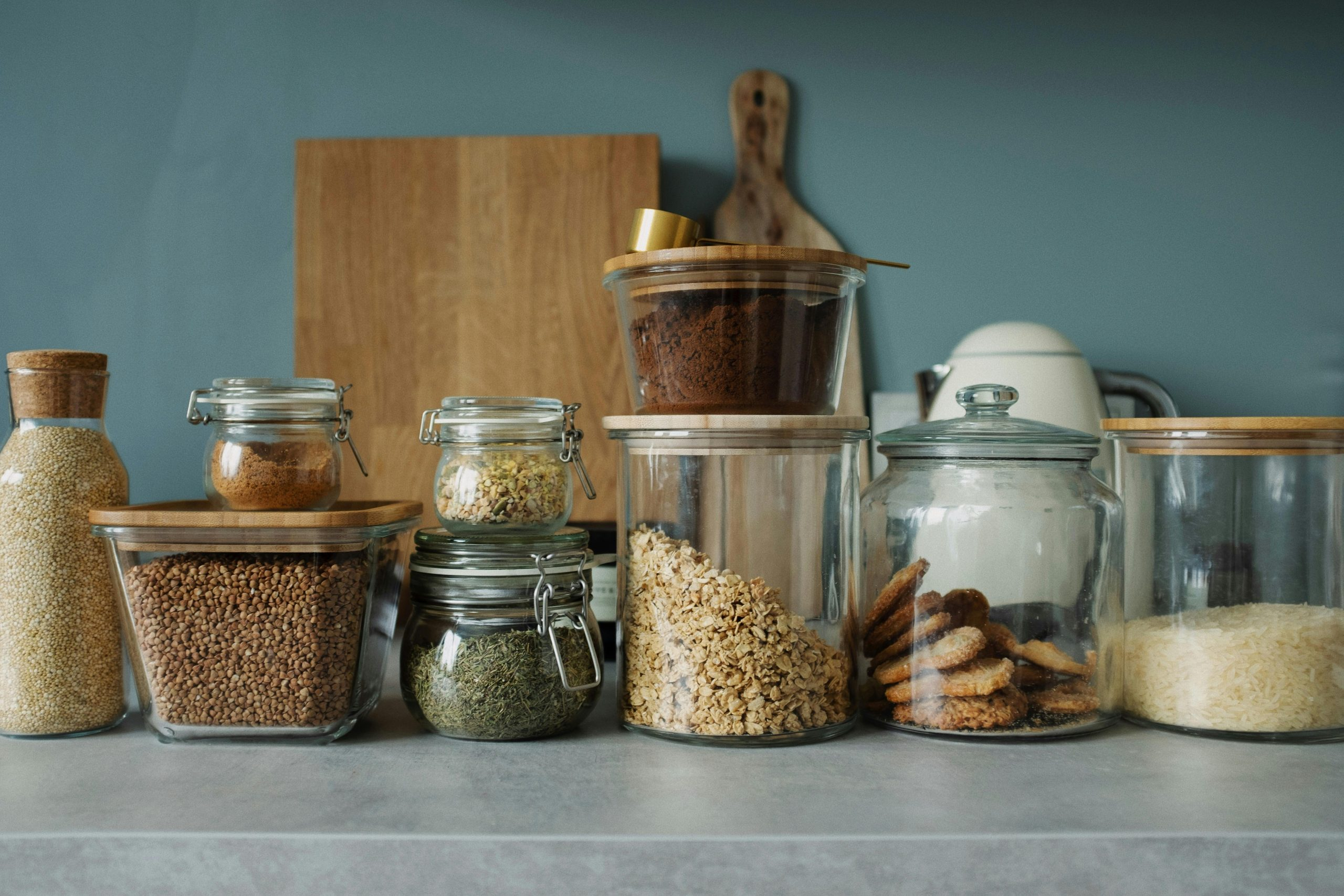
Why Choosing the Right Food Storage Containers is Important
Before we dive into the selection process, let’s first understand why it’s necessary to choose the right food storage containers. Proper food storage not only helps keep your food fresh and flavorful, but it also prevents food waste and save you money in the long run. Additionally, using the right containers can also help promote food safety by preventing cross-contamination and keeping out pesky pests.
The Different Types of Food Storage Containers
There are various types of food storage containers available in the market, each with its own unique features. Here are the most common types:
Plastic Containers
Plastic containers are the most popular and widely used type of food storage containers. They are affordable, lightweight, and come in different shapes and sizes. However, not all plastic containers are created equal. It’s important to choose those that are BPA-free and made from food-grade plastic to ensure that no harmful chemicals leach into your food.
Glass Containers
Glass containers are a more durable and long-lasting option compared to plastic. They are also non-toxic, making them a safe choice for storing food. Moreover, they are microwave and oven safe, making them a versatile option for reheating food. However, they are heavier and more fragile, so they may not be ideal for storing food in bulk or for on-the-go meals.
Metal Containers
Metal containers, particularly stainless steel, are a durable and non-toxic option for food storage. They are also great for keeping food hot or cold for extended periods, making them an excellent choice for packed lunches. However, they can be pricey and not suitable for use in the microwave.
Silicone Containers
For those looking for a more eco-friendly option, silicone containers are an excellent choice. They are reusable, lightweight, and free of harmful chemicals. They are also microwave, oven, and dishwasher safe, making them a convenient option for storing and heating food. However, they are not suitable for storing acidic foods as it can cause the silicone to break down.
Key Features to Consider
Aside from the type of material, there are other important features to consider when choosing food storage containers for longevity. These include:
Airtight Seal
An airtight seal is crucial in keeping your food fresh and preventing any odors from escaping or entering the container. Look for containers with leak-proof and lockable lids for maximum freshness.
Stackability and Nesting Ability
Containers that can be stacked or nested together are space-saving and make for a more organized pantry. This feature also eliminates the need for multiple containers, making it more cost-effective.
Freezer and Microwave Safe
It’s important to choose containers that can withstand cold and heat to ensure safe storage and reheating of food. Freezer and microwave-safe containers allow for easy transition from the fridge to the freezer and then to the microwave, minimizing the need for multiple dishes.
Easy to Clean
Food storage containers should always be cleaned properly to prevent bacteria and mold growth. Look for containers that are easy to clean and dishwasher safe for convenience.
Conclusion
Choosing the right food storage containers may seem like a daunting task, but it’s an essential step in maintaining the freshness and safety of your food. Consider the type of food you will be storing, the key features, and your budget when making your selection. With the right food storage containers, you can prolong the shelf life of your food and ensure a healthier and more organized kitchen.