The Role of Aesthetics in Food Plating and Presentation
Have you ever taken a moment to admire the presentation of a beautifully plated dish before digging in? As humans, we are naturally drawn to visuals, and this applies even more so when it comes to food. In the culinary world, aesthetics plays a crucial role in engaging our senses and enhancing our dining experience. Food plating and presentation is not just about making a dish look pretty, but it also serves a much deeper purpose. In this article, we will delve into the role of aesthetics in food plating and presentation and discover its impact on our perception and enjoyment of food. So, let’s dig in (pun intended)! 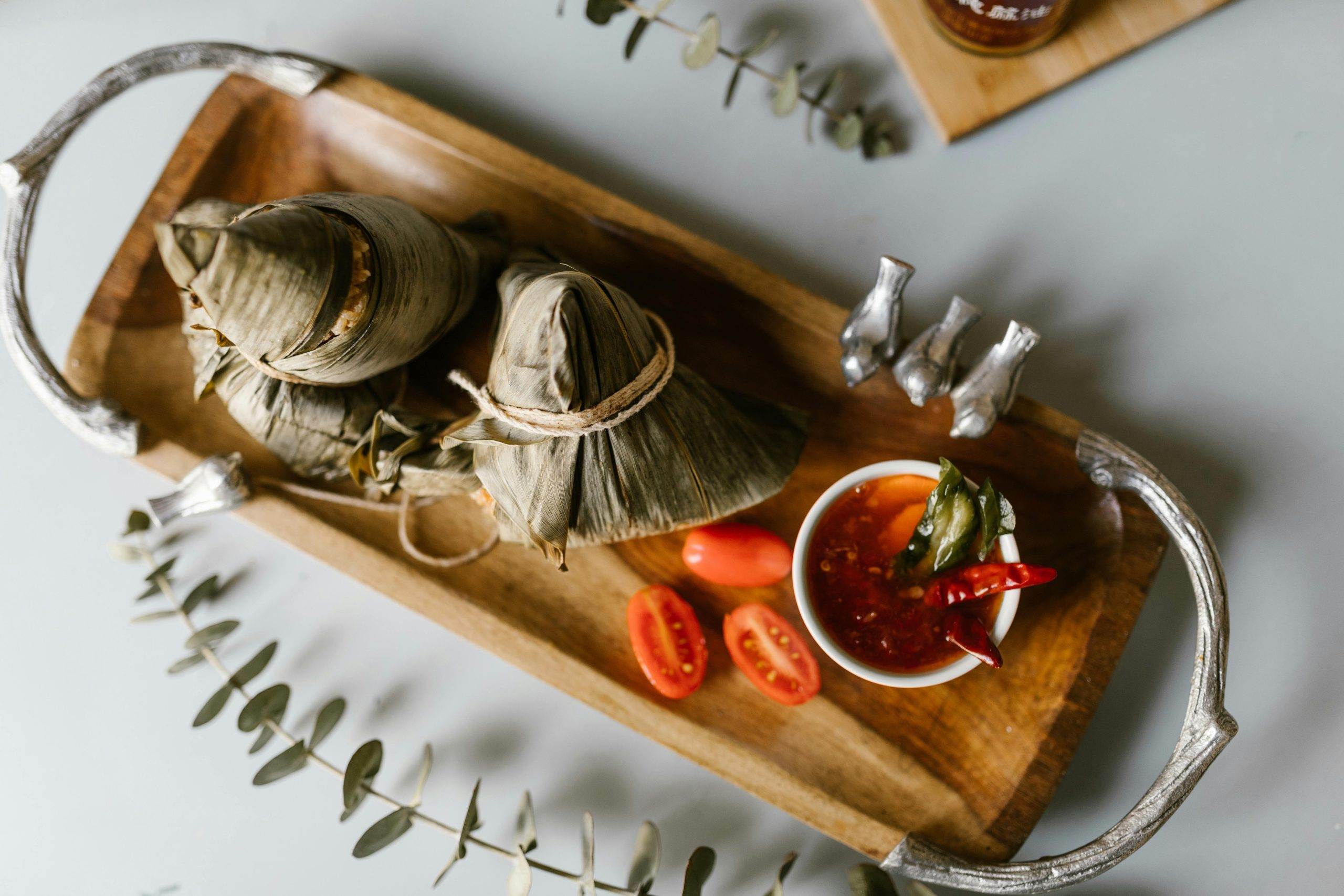
What is Aesthetics in Food Plating and Presentation?
Before we dive into the importance of aesthetics in food plating and presentation, let’s first understand what it means. Aesthetics is defined as the branch of philosophy that deals with the principles of beauty and taste. When it comes to food, aesthetics refers to the arrangement, color, texture, and overall appearance of a dish. It is the visual appeal of a dish that immediately draws our attention and sets our expectations for the taste and quality of the food.
The Visual Impact
They say “we eat with our eyes first,” and this statement couldn’t be more accurate. The way a dish is presented can create a lasting impression that influences our overall dining experience. Imagine walking into a restaurant and being served a dish that is sloppily plated with no regard to aesthetics. This can immediately turn us off and affect our anticipation of the meal.
On the other hand, when a dish is beautifully presented with vibrant colors, textures, and neat arrangement, it immediately piques our interest and stimulates our appetite. The visual impact of a dish can create a sense of excitement and make us more eager to taste what is in front of us.
The Emotional Connection
Plating and presentation also play a significant role in creating an emotional connection between us and the food. We are emotional beings, and food has been known to evoke strong emotions in us. When a dish is thoughtfully plated, it can trigger positive emotions and heighten our enjoyment of the meal. Colors, symmetry, and balance in presentation can create a sense of harmony and evoke feelings of pleasure and satisfaction.
Moreover, the way a dish is presented can also evoke fond memories and nostalgia. For example, a dish served in a traditional ceramic bowl can transport us back to our grandmother’s kitchen and create a sense of comfort and warmth. This emotional aspect of food plating and presentation adds a layer of depth and enhances the overall dining experience.
The Psychology of Aesthetics in Food
Believe it or not, there is a lot of psychology behind the role of aesthetics in food plating and presentation. Our perception of food is not just based on taste but also on visual cues. The colors, shapes, and arrangement of dishes can have a significant impact on how we perceive the taste of food.
Color Palette
Colors play an essential role in food plating and presentation. Different colors trigger different reactions in our brains. For example, warm colors like red, orange, and yellow can evoke feelings of hunger and stimulate our appetite. Cool colors like blue and green are associated with freshness and can make a dish seem more appealing. Chefs often use color contrast as a way to make a dish stand out and create a visually appealing presentation.
Texture and Shape
The texture and shape of a dish are also crucial components of food plating and presentation. As humans, we have a natural desire for variety, and this applies to our food as well. A dish that has a mix of textures, such as crunchy, soft, and creamy, can be more enjoyable as it engages different senses and adds more depth to the overall dining experience. The shape of the dish can also make a difference. For example, round plates can make a dish seem more visually balanced and appealing compared to square or rectangular plates.
The Creative Element
Last but not least, the role of aesthetics in food plating and presentation is also a way for chefs to showcase their creativity and express their culinary skills. Chefs use their artistic abilities to create visually stunning dishes that not only taste delicious but are also pleasing to the eye. This adds a unique touch to the dining experience and sets a particular restaurant apart from others.
The Balance between Art and Taste
It is important to note that while aesthetics is a crucial aspect of food plating and presentation, it should not overshadow the taste and flavor of the food. The balance between art and taste is crucial, as a visually stunning dish that lacks in taste would be considered a failure. The goal is to strike the perfect balance between aesthetics and taste, creating a memorable and satisfying dining experience for customers.
In Conclusion
The role of aesthetics in food plating and presentation goes beyond just making a dish look good. It serves as a form of creative expression, evokes emotions, and triggers our senses, enhancing our overall dining experience. Whether you are a chef looking to elevate your plating skills or a food enthusiast looking to appreciate the art of food, understanding the role of aesthetics in food plating and presentation is crucial. So, the next time you sit down to enjoy a meal, take a moment to appreciate the effort and thought put into making your dish look beautiful and inviting. Happy dining!