
The Transformative Power of Visiting Historical Sites
When we think of traveling, we often envision exotic beaches, bustling cities, or breathtaking natural landscapes. While these destinations certainly have their allure, there is a different kind of travel that can be equally, if not more, transformative – visiting historical sites. From ancient ruins to preserved monuments, historical sites offer a glimpse into the past and have the power to transport us to a different time. In this article, we will explore the transformative power of visiting historical sites and why it is a must-do for any avid traveler.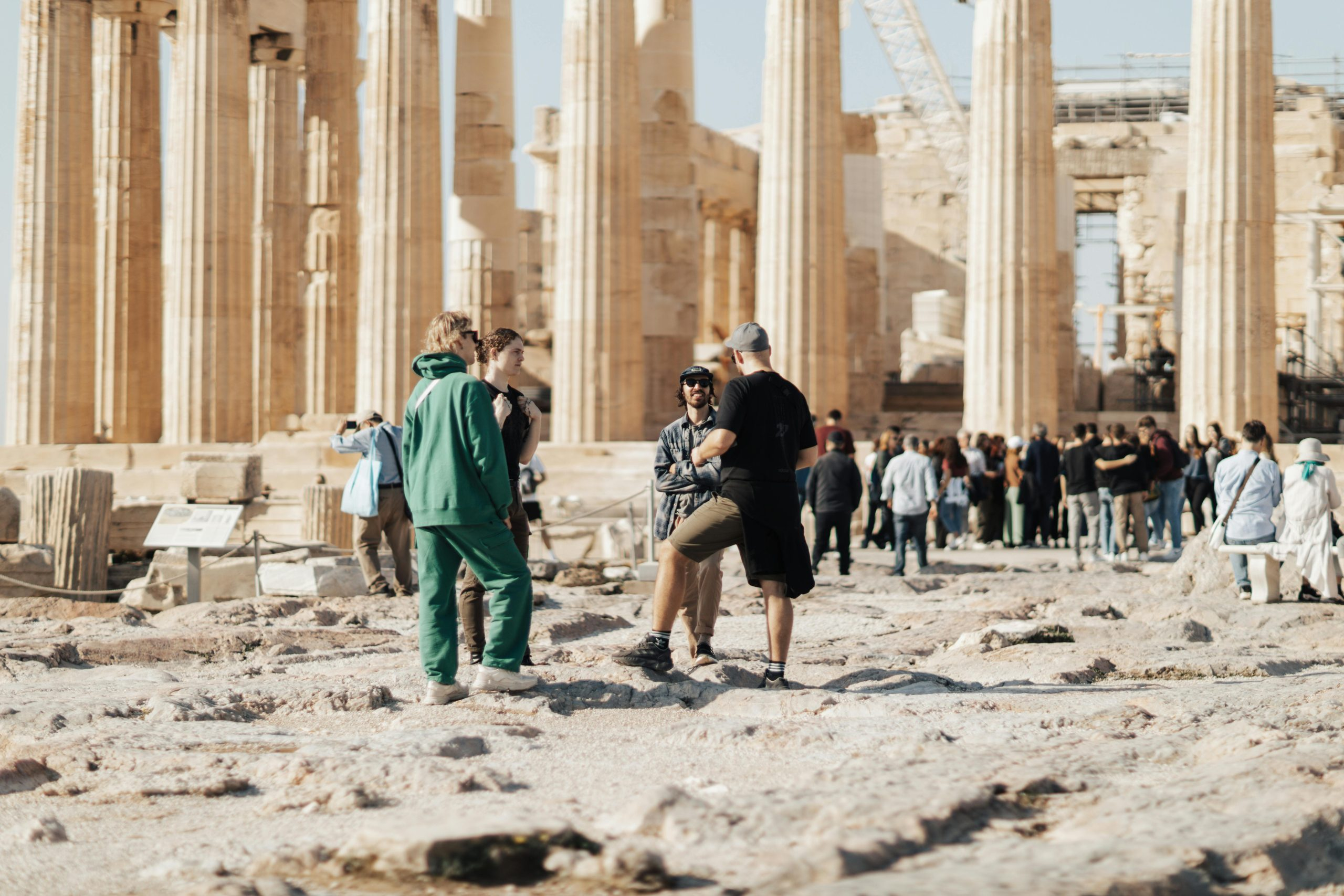
The Power of Imagination and Reflection
Visiting historical sites allows us to use our imaginations to envision the lives of those who came before us. As we walk through towering castles, ancient temples, or cobblestone streets, we cannot help but wonder about the people who once inhabited these spaces. Who were they? What did they do? How did they live? These questions spark our curiosity and lead us to imagine the past in a way that is much more personal and meaningful than reading about it in a textbook.
Moreover, historical sites also prompt us to reflect on our own lives. As we contemplate the achievements and struggles of those who came before us, we begin to put our own experiences into perspective. We realize that the challenges and triumphs we face are not unique to us, but are part of a larger, shared human experience. This reflection can be a powerful tool for personal growth and self-discovery.
Learning from the Past
Aside from providing a window into the past, historical sites also offer valuable lessons that we can apply to our present-day lives. By studying the architecture, art, and artifacts found in these sites, we gain insight into the beliefs, customs, and technologies of previous civilizations. We can learn from their successes and failures, and use this knowledge to inform our own decisions and actions.
For example, a visit to the Great Wall of China not only allows us to appreciate the incredible engineering feat, but also teaches us about the importance of perseverance and determination in accomplishing monumental tasks. Similarly, a trip to Pompeii, the ancient Roman city destroyed by the eruption of Mount Vesuvius, can impart valuable lessons about disaster preparedness and the consequences of neglecting warning signs.
A New Perspective on History
While history is often seen as a series of events and dates, visiting historical sites enables us to see it in a whole new light. Instead of reading about wars and revolutions in textbooks, we can walk the same battlegrounds and streets where these events took place. This personal experience not only helps us understand the magnitude of historical events, but also brings them to life in a way that is not possible through books or movies.
In addition, visiting historical sites also allows us to see different perspectives on history. For example, the ancient Egyptian temples offer a different viewpoint on history compared to the Western narrative we are used to. By visiting these sites, we gain a more well-rounded and nuanced understanding of history, and are able to challenge our preconceived notions.
Preserving Culture and Heritage
Lastly, visiting historical sites is crucial for preserving culture and heritage. Many of these sites are in danger of being lost to time and neglect. By visiting and supporting these locations, we are helping to protect them for future generations. Moreover, by immersing ourselves in different cultural traditions and ways of life, we can foster a deeper appreciation and respect for the diversity of the world.
In Conclusion
In a world that is constantly evolving and changing, visiting historical sites allows us to connect with the past and learn from it. It offers a unique and enriching travel experience that cannot be replicated in any other way. So, the next time you plan a trip, consider adding a historical site to your itinerary. Who knows, it may just change the way you see the world.